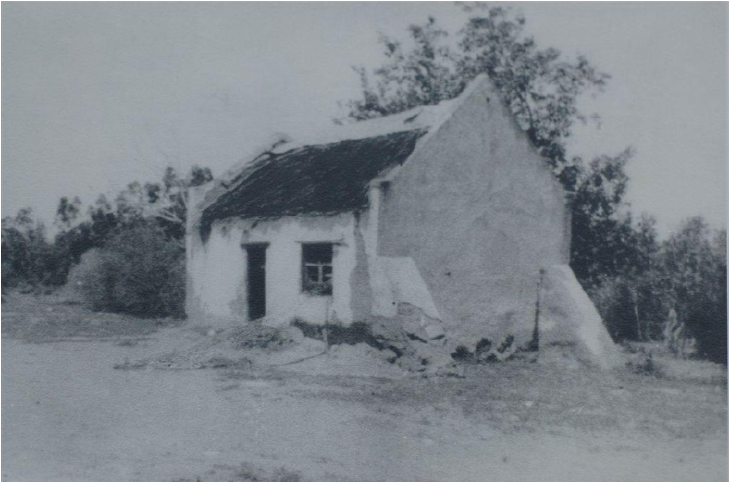
Naudé returned to the Worcester family farm where a studio was built for him:
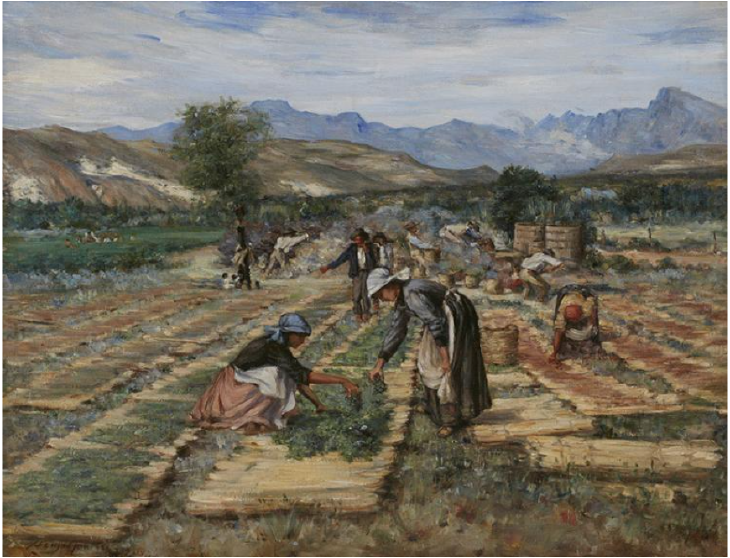
His paintings of farm activities and the active lives of the local community are Van Gogh-like and show the influence by the Barbizon group, for example:
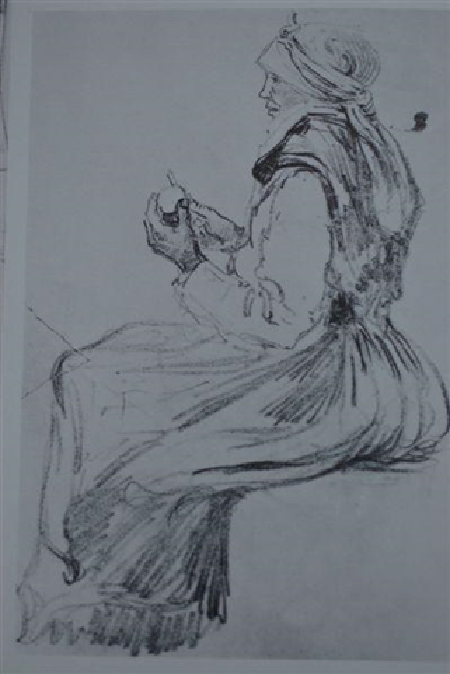
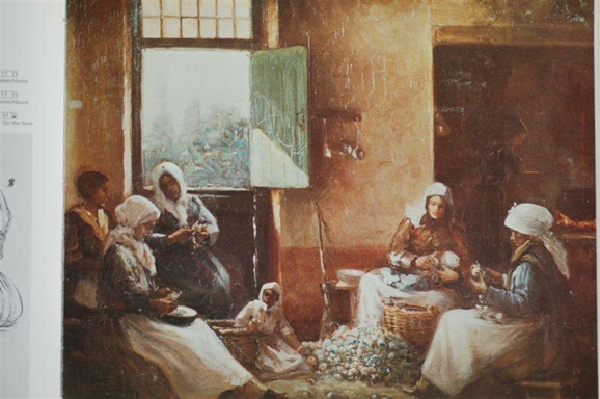
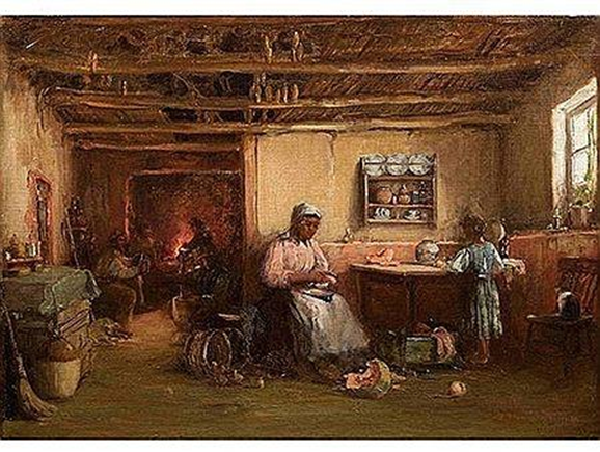
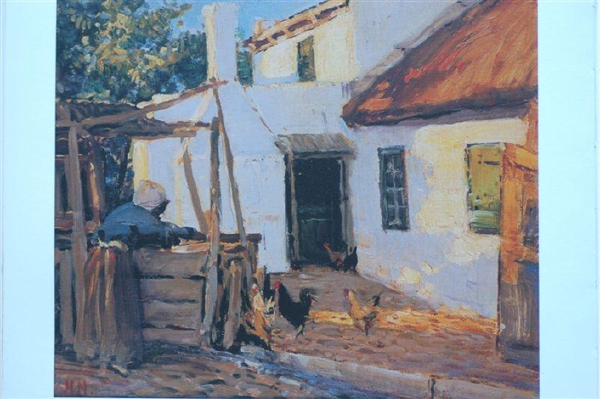
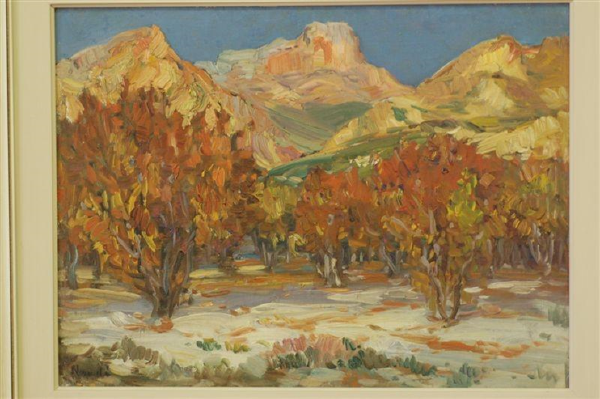
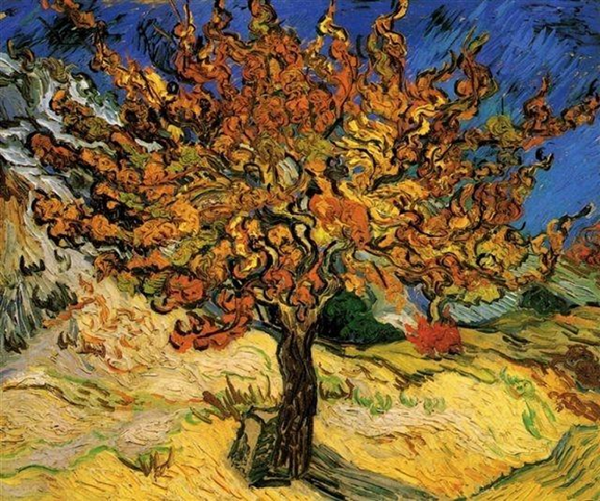
The above seems to have been influenced by Van Gogh’s Mulberry Tree:
Naudé painted mainly portraits on commission, e.g. that of President Steyn,24 General Botha, the Rev. Andrew Murray, Ds William Murray:
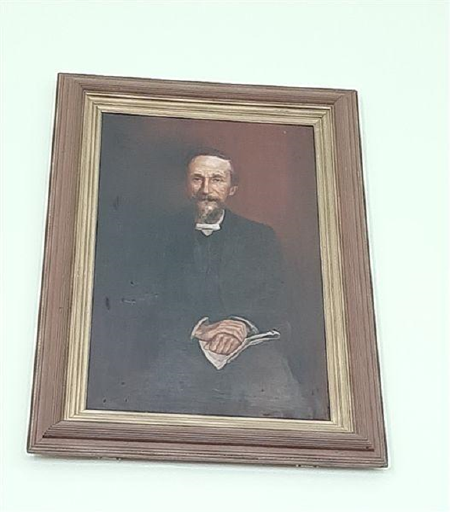
and Mr. J.H. Conradie (an Administrator of the Cape), and Miss van Blerck, his aunt in 1898:
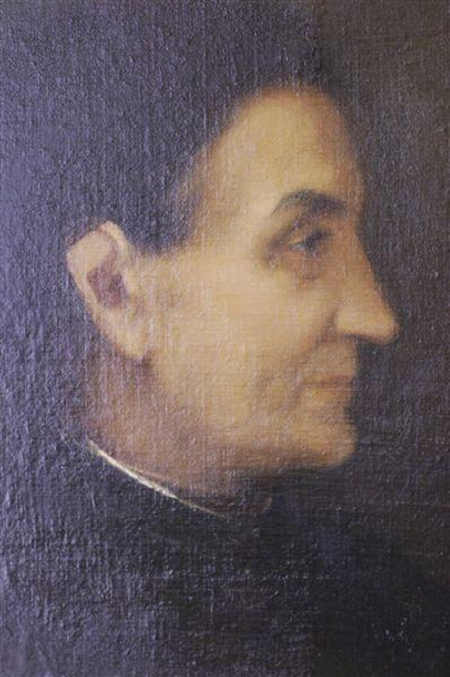
Naudé’s supportive father died in 1898 when he was 29 years old.
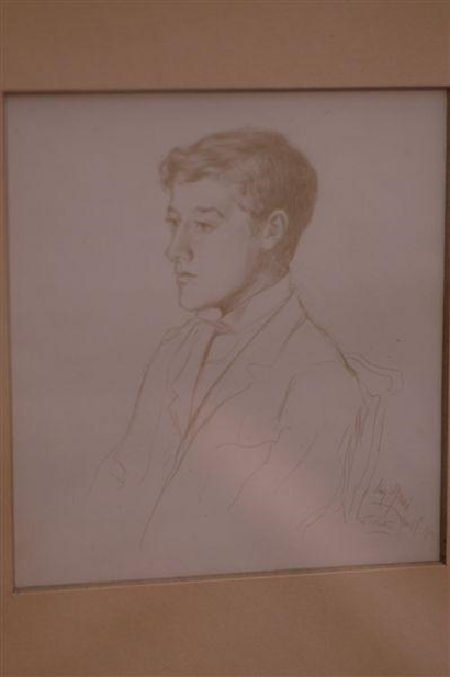
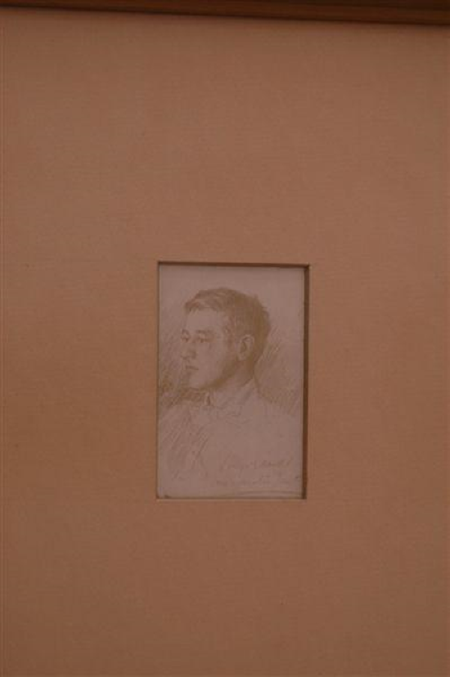
He also completed numerous silverpoint drawings:25
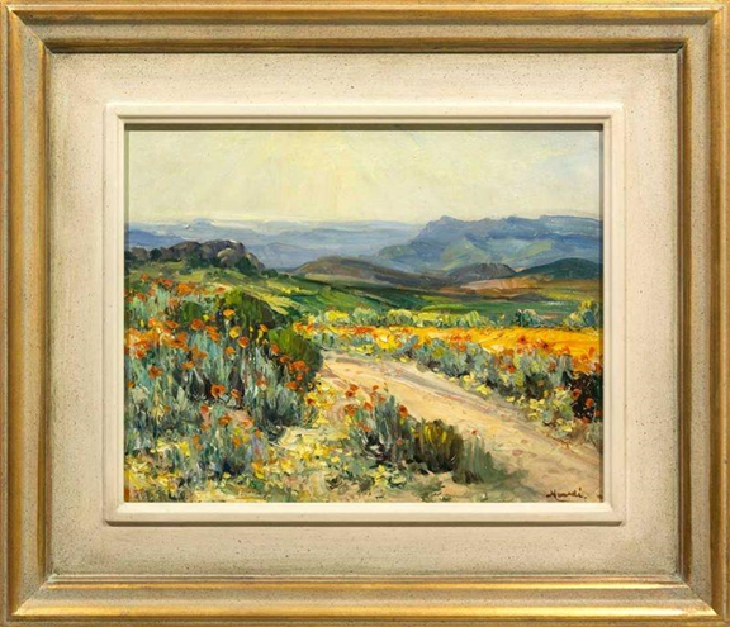
Naudé travelled to Namaqualand:
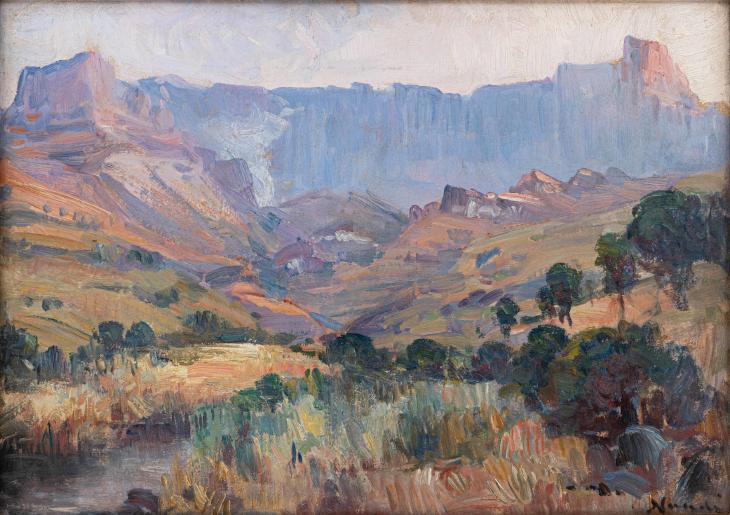
The Drakensberg:
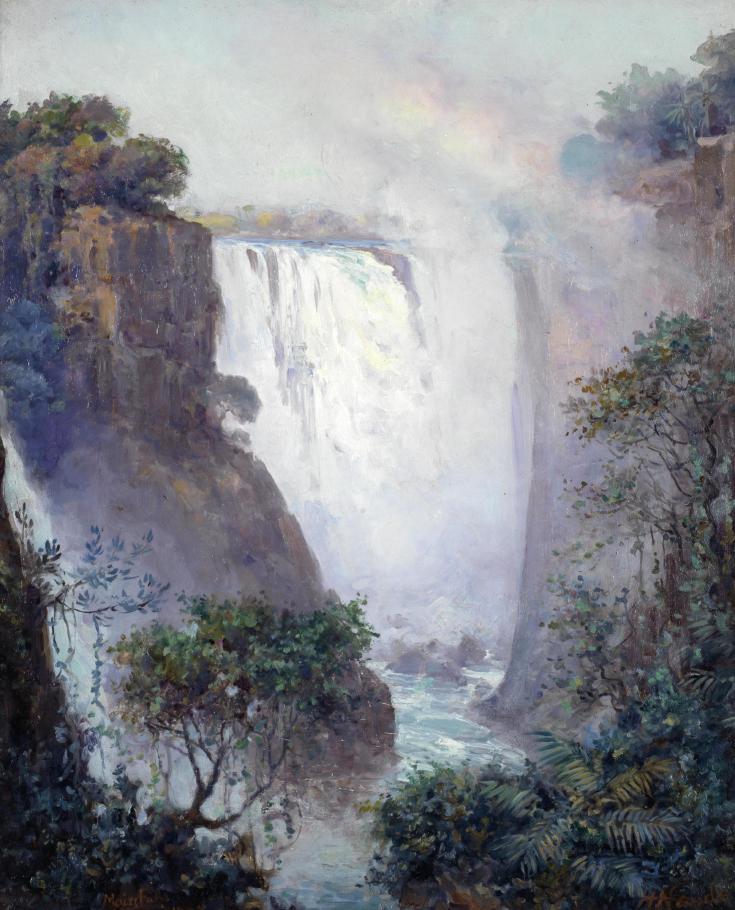
even as far as Victoria Falls:
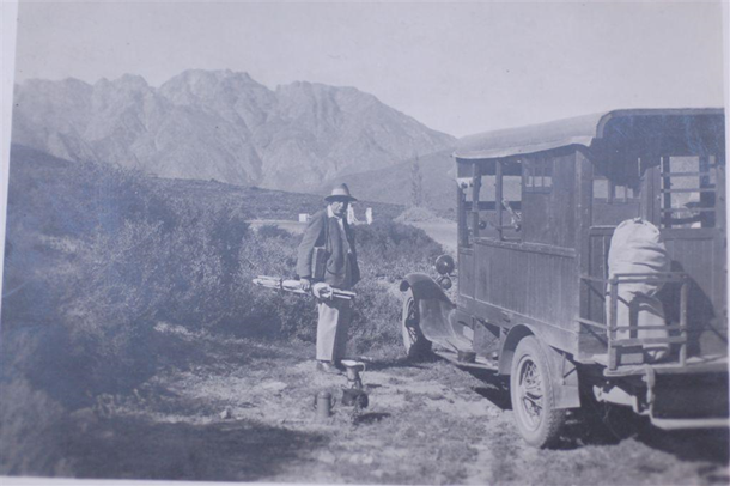
He had a bit of contact with other South African artists when he joined the South African Society of Artists in 190227 and exhibited with them in the Cape Town Drill Hall end 1902 and 1903.
- Whereabouts apparently unknown (Roets, p.179, App.B no.15). In a letter from Hubert enquiring about the Artist’s maternal Hugo family, dated 11 February 1940, he is asked whether the portrait is finished yet. Naudé apparently used a photograph of President Steyn (see Hobhouse letter dated 6 July 1914). C.L. Leipoldt thought it was one of his best portrait studies (Die Huisgenoot, February 1939, p.19).↩︎
- Roets, p.179, App.B nos. 20 & 19 has measurements 15 x 12cm & 9 x 6cm, respectively. He claims they are both unsigned.↩︎
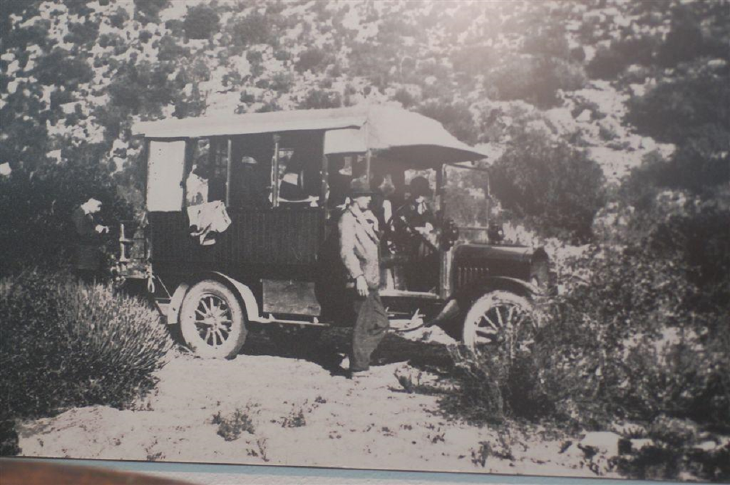
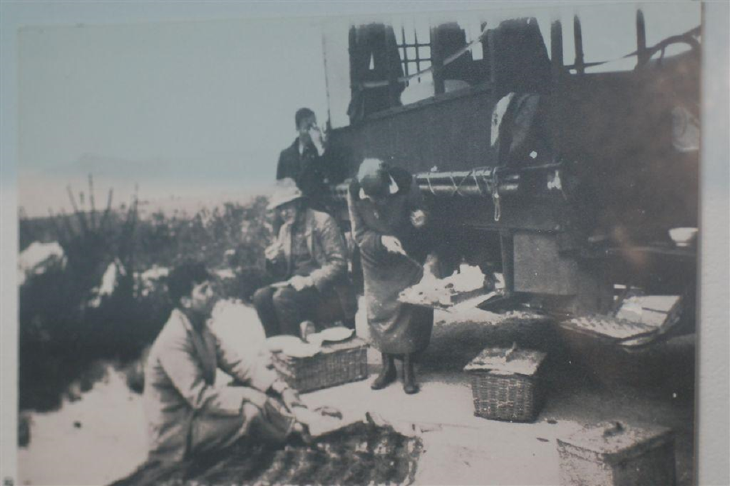
- See Adèle Naudé’s description of his two vehicles designed and built to his requirements (Hugo Naudé, pp.17-18). Sadly the later “motor karavaan” equipped for comfortable tour and camping purposes and in excellent condition (“gerieflik ingerig vir Toer- en Uitkamp Doeleindes en in Uitstekende orde” ) ended up on the Public Auction of his Estate at “The Studio” on Tuesday 29 July 1941 at 10h00. See photo of the auction notice in Posthumous Conclusion, forthcoming.↩︎
- Founded on 26 September 1902 at Kamp’s Café in Cape Town.↩︎